13 Dog Breeds That Don’t Need a Lot of Exercise (With Pictures)


When choosing a dog breed, it is essential to select one that fits with your lifestyle and preferences. If you aren’t very active, it is often best to choose a dog that isn’t very active either. This will prevent a mismatch in your lifestyle. No one wants to plan to spend the day sitting around at home, only for your pooch to insist on a long, high-intensity walk.
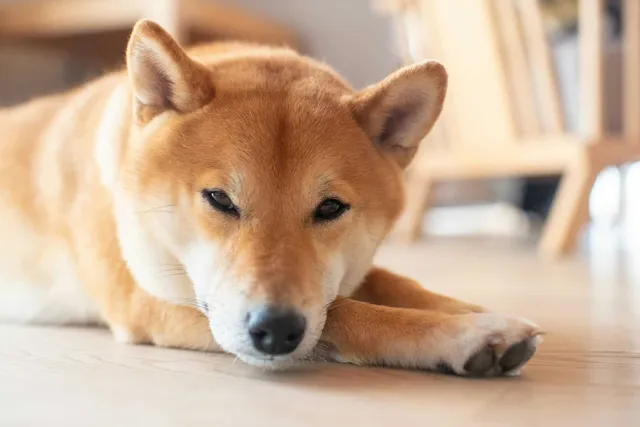
Luckily, there are many dog breeds that don’t require high levels of exercise and prefer to relax for much of the day. These breeds come in all shapes and sizes, so there is a lower-energy dog for just about everyone out there! But keep in mind that even "lazier" dogs still need some exercise to stay healthy—just not marathon workout sessions.

The 13 Dog Breeds That Don’t Need a Lot of Exercise
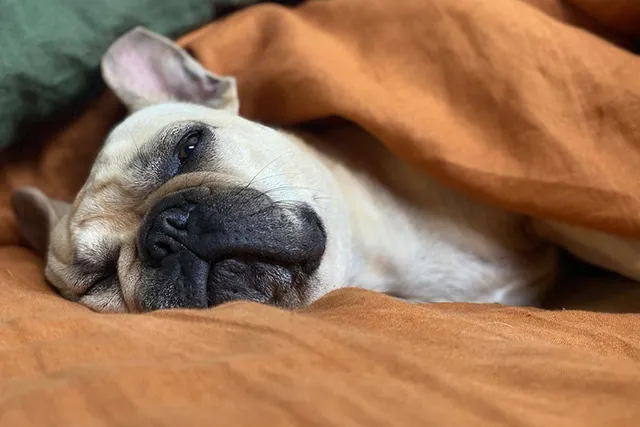
1. English Bulldogs

Not only are English Bulldogs pretty laidback, but they also have to take it easy on the exercise for health reasons. They are a medium-sized dog breed—technically. However, they are very stout and thick, so they will likely weigh more than you expect. Their distinctive squished nose has made them a popular breed, but it is also the source of many health problems. This is likely one of the least healthy breeds out there.
Their shortened nose and upper airway structure can prevent them from breathing properly, which can cause exercise intolerance and heat intolerance. The biggest issue with these dogs is that they may have a higher anesthetic and airway management risk due to their breathing problems. Therefore some otherwise curable health problems can be more difficult to treat safely in this breed. One survey found that these dogs had an average lifespan of only 6 years and 3 months, and 73.9% of this breed will have hip dysplasia—the highest of any breed out there.
While this breed is one of the laziest, this is largely because they are also one of the unhealthiest. It’s hard to run around for long when you can’t breathe properly. If you adopt one, plan on spending quite a bit on healthcare. While they don’t require daily brushing, their face needs to be cleaned daily to avoid infections. Their tails can get infected easily, so it is best to clean them regularly, too.
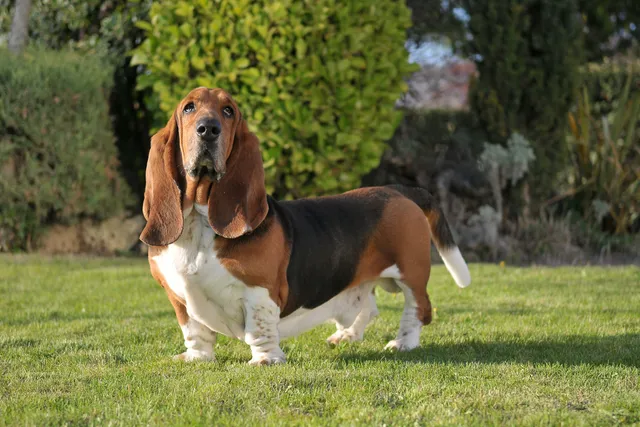
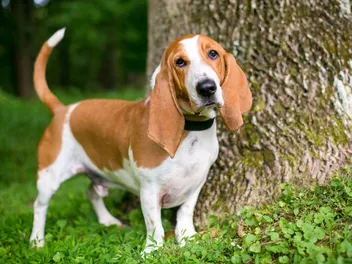
2. Basset Hound

The Basset Hound is another well-known breed, though they are decently healthy compared to the English Bulldog. They were originally bred for hunting hares and have a very good sense of smell. They aren’t used much as hunting dogs anymore. Instead, they make fairly laidback companions. This dog is friendly and outgoing. They can be playful but don’t tend to run around quite as much as other breeds.
This is a loud breed, so plan for frequent vocalization. They aren’t extremely trainable and are known for being stubborn. However, they are pretty independent in other cases, making them suitable for busy families.
3. Chow Chow

The Chow Chow is a very cat-like dog. They aren’t known for being particularly friendly but instead become extremely devoted to one or two people. They love their families but can be standoffish to other people. They do not always get along well with other dogs and often need to be kept in a one-dog household.
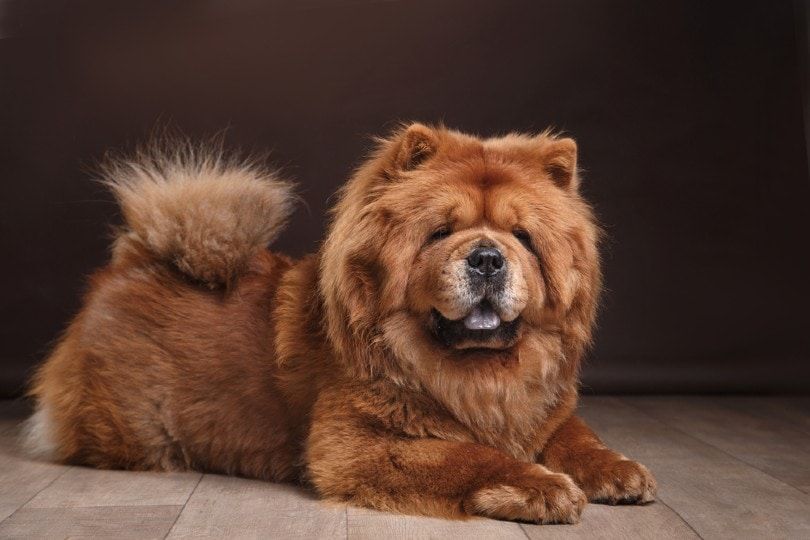
This sturdily built dog has a very dense double coat, which makes them quite fluffy. Their hair is particularly long in the neck area, making them look like they have a mane. This is what draws most people to the breed—they look like giant fluff balls.
These dogs require a lot of socialization, as they can become fearful or reactive otherwise. They are not particularly active and do well in an apartment environment despite their medium-to-large size. However, they will still require daily exercise to prevent boredom. They are quiet and well-behaved indoors but aren’t particularly trainable.
4. Boston Terrier

This small breed is instantly recognizable. They are family dogs and highly intelligent. They take quickly to training and love to be around their people. They do not require high levels of exercise for the same reason that the English Bulldog doesn’t—their shortened noses and upper airway conformation can cause breathing inefficiency. It is difficult for them to be active for long because they do not breathe as efficiently, particularly during exertion in hot environments.
They are also prone to many other health problems. Many breeders produce dogs with curved backs, which may contribute to spinal or rear-limb issues in some individuals. They are also known for their sensitive digestive systems that can be prone to food intolerances or allergies, and diet-related digestive upset. Their large eyes make them prone to eye problems, too, especially corneal ulcers. They are also prone to complications with anesthesia, which can make some surgeries difficult.
These dogs typically only need a walk or two a day. They are small dogs, so short walks are usually all that is required. Care should be taken in warm weather, as they are brachycephalic and prone to overheating.
5. Shih Tzu

The Shih Tzu is an Asian breed that originated in Tibet. They have become increasingly popular in the United States due to their long, luxurious coats. They are also extremely friendly and laidback, which makes them great family dogs. They tend to get along with everyone, including children and strangers. Their exercise needs are very low. Some quick playtime in the backyard is all they typically need. Younger dogs may enjoy a short walk.
They do have some health problems. Like all dogs with short muzzles, they can have breathing problems and are prone to heat intolerance and should not be exposed to hot or humid conditions for extended periods. Eye issues are common, as their eyes are large and more exposed, which makes them more prone to damage. Hair grows inside their ears and may need to be trimmed to prevent ear infections. Their ears also need to stay clean, which may require some help on your part. Teeth problems are extremely common, as their mouth is a bit crowded.
6. Tibetan Spaniel

Most spaniels require quite a bit of exercise. However, the Tibetan Spaniel is different. They aren’t technically a spaniel at all and have very different needs. This is a social breed that needs regular contact with people. They shouldn’t be left alone for long periods. They were raised to be the companions of Tibetan monks, who were always around.
They can be a bit protective and are prone to alarm barking. They require early socialization for this reason. Otherwise, they may be untrusting of strangers and very noisy. They are independent and don’t take well to training.
This breed is generally pretty healthy. They have a life expectancy of up to 16 years. Although their face is a bit shorter than most dogs, this is not extreme and is not typically associated with breathing difficulties.
A few short walks a day are all that these dogs need to thrive. They also enjoy playtime in the backyard, which can easily meet their activity needs.
7. Cavalier King Charles Spaniel

The Cavalier King Charles Spaniel is known as the “lap dog” of the spaniel world. They are less active than other spaniels and more suitable as family dogs. They are very friendly and enjoy being around their family. They are highly affectionate and playful. They get along with both children and other animals, making them ideal for family homes.
This breed is fairly adaptable regarding their exercise needs. They can be quite active when asked but equally prefer to lie on the couch. They enjoy chasing things, including moving objects, such as bicycles or vehicles. For this reason, they should always be kept on a leash or in a fenced-in area.
These dogs are not considered a generally healthy breed. They are prone to mitral valve disease, which can cause heart failure in some cases. It is the leading cause of death in this breed. They are also prone to inherited nerve and brain problems, which can range from mild to severe.
8. Bullmastiff

The Bullmastiff is a very large dog, but they don’t require much exercise. They were bred as large working dogs in Britain. Their main job was to guard estates, which didn’t require much activity. The modern breed retains this trait, requiring only a short walk or playing session a day.
They have an average lifespan of about 7–9 years, which is about normal for a dog of their size. This breed is prone to bloat and hip dysplasia. Their large size makes them more prone to joint problems since there is more weight on each joint.
9. Miniature Pinscher

This breed is a small dog that originally came from Germany. They are thought to be an old breed, as some very old historical artifacts appear to resemble similar dogs. However, actual documentation didn’t appear until roughly 200 years ago, so no one really knows when the breed was developed.
This breed is best for experienced dog owners, as they can eat up quite a bit of time. Although they are small dogs, they can be quite active. Their short legs usually mean short walks are appropriate, however. They are not the most laidback dogs on this list. These dogs love playtime and will enjoy fetch and similar games.
They can be wary of strangers and need regular socialization. They don’t enjoy rough play, so homes with very young children should look elsewhere.
10. Pug

Pugs are one of the most popular dogs in America, likely due to their small size and friendly nature. They are known for being laid back and calm. Many are friendly with just about everyone, making them suitable family companions. These canines are strong-willed, though. They can be challenging to train and are often recommended for more patient or experienced dog owners for this reason. They are playful and need to be with people for the majority of the day.
They do not need much exercise compared to many other breeds. They’re known for sleeping long hours throughout the day and tolerating only low levels of physical activity.
Due to their short faces and prominent wrinkles, these dogs are prone to many health problems. Their short muzzles can impair normal breathing, which is one reason they don’t exercise a lot. Some breathing problems are more severe than others, depending on the exact genetics of the dog. Eye problems are also common because their eyes “bug out” quite a bit. Their hip sockets aren’t formed correctly in many cases, which causes hip dysplasia. . This affects nearly 64% of Pugs, though the severity can differ widely.
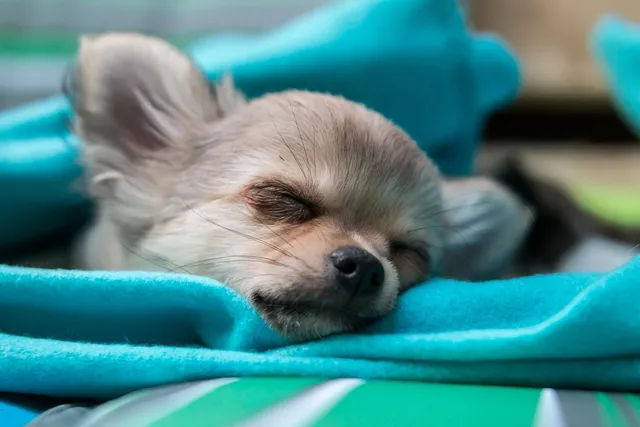
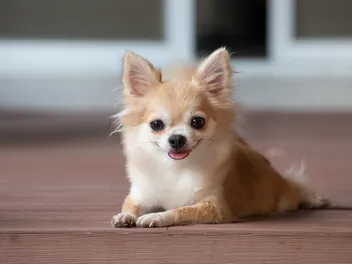
11. Chihuahua

Technically, Chihuahuas aren’t very laidback and can have relatively high exercise needs. However, their small size means their needs are very easy to meet. Think about how many steps they need to take every time you take a step—only very short walks are required.
This breed is known for being extremely loyal, almost to a fault. They can be a bit protective of their people, which can lead to fear-based aggression and territorial problems. They are known for their big personalities. Many have comical traits that set them apart from other breeds. Socialization is extremely important for Chihuahuas. Otherwise, they can become territorial and aggressive.
These dogs are generally pretty healthy, but they can be prone to certain neurological diseases. They also have problems with their blood sugar due to their small size. They need regular meals to prevent complications with hypoglycemia. They are also prone to orthopedic leg conditions, though this is much less common than in some other breeds. Due to their small size, they are more prone to physical injuries. They just aren’t as sturdy as larger breeds.
12. Greyhound

The last dog breed that you probably thought would appear on this list is a Greyhound. However, while they are one of the fastest dogs in the world, they have very little sustained endurance. A short walk once a day is all they need. Alternatively, a quick run around a fenced-in area is also suitable. They love to play fetch and similar games. These dogs sleep for up to almost 18 hours a day, which doesn’t leave much time for running.
Many people consider Greyhounds to make wonderful pets, even if they are still bred mostly for racing. They are loving and affectionate. Many enjoy the company of humans and will get along with other animals as well, including cats, as long as they are socialized from a young age. They have a high prey drive in many cases, but this can vary from dog to dog. They don’t tolerate roughness and can actually get injured more easily than other breeds, as they have thinner than usual skin. They are not generally barkers, though they may bark on some occasions.
13. Pekingese

If you’re looking for a lap dog, the Pekingese is a suitable option. These small dogs originated in China and were originally bred as lap dogs for Chinese royalty. For this reason, these dogs are quite affectionate and love people. They are tougher than you may expect from their small size, though. They absolutely have “small dog syndrome.”
They are loyal to their people but generally friendly to everyone. They can be a bit noisy, which is true for most small dogs.
Due to their small size, these dogs are prone to physical injuries. This is actually the number-one cause of death in their breed. They are also somewhat prone to cardiovascular problems, which is also a common cause of death. Congestive heart failure is common, but many dogs can go on to live complete lives if they are treated early.
Final Thoughts
These are the 13 dog breeds that don't need a lot of exercise. These dogs are great for people with mobility issues, people who don't have easy access to a place to exercise their dog, or those with busy lifestyles. Just be mindful of the potential health conditions and the ongoing care needs of each of these breeds, and make sure you can meet those needs before bringing one of these dogs into your home.
Featured Image Credit: dezy, Shutterstock
Expert dog care, straight to your inbox
News, insights, expert advice, and everything dog.

No spam — unsubscribe anytime.
By signing up, you agree to our Terms & Conditions and Privacy & Cookies Policy.
How useful was this post?
Click a star to rate. You can leave written feedback afterwards. (We read all feedback.)
Kristin loves to help pet parents create a fulfilling life for their pets by informing them on the latest scientific discoveries and helping them choose the best products for their pets. She currently resides in Tennessee with three cats, four dogs, two fish, and a lizard, though she has dreams of owning chickens one day!